Ready for transmission
The booking is an agreement. Readiness is a shared production process, with named owners and enough time to test the plan.
Make the current version obvious
A useful talent pack brings the essential information together without burying it in a long message thread. Include the current rundown, role assignments, contact chain, venue or connection details, local time zone and access arrangements. Mark the version and identify who owns updates. If a call time changes, seek acknowledgement from the affected people rather than assuming that a new attachment has been read.
The editorial pack should distinguish confirmed facts from research leads. Provide player names, preferred pronunciations where confirmed, competition format, relevant rules and the patch or game version being played. Link to official sources and flag uncertainties. Public game notes for League of Legends, VALORANT, Counter-Strike 2 or Dota 2 are useful starting points, but the event’s competitive build may differ from the latest public release.
 One source of truth
Rehearse the handoff, not just the microphone
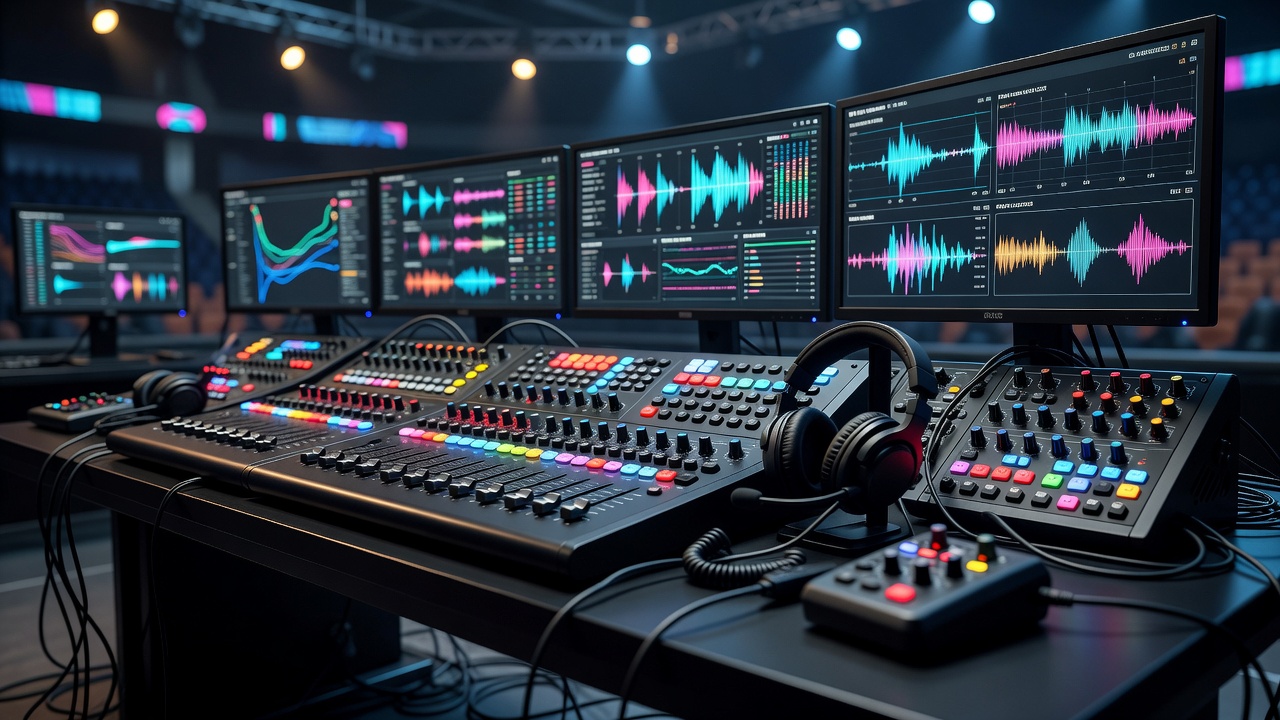
A microphone check proves very little about the whole workflow. Test how talent hear programme audio, receive direction, see the relevant feed and know when they are live. Establish who can interrupt whom and what the countdown means. An in-ear production feed, often called IFB, can help the presenter follow direction, but its behaviour needs explanation. A confusing talkback mix can undermine an otherwise well-prepared contributor.
For remote work, test the intended equipment and network from the intended room. Check echo, microphone placement, camera framing, lighting, connection stability and the delay between the game feed and commentary. OBS Studio and vMix offer different production capabilities; neither removes the need to test the complete route. Assign responsibility for recording, backup communication and recovery. A speed-test result alone does not demonstrate a dependable live setup.
Prepare the editorial recovery
Delays are easier to handle when responsibilities are agreed before they happen. Decide who can approve an extended desk segment, what verified information can be shared and how the show returns to competition. Give talent usable options: a replay discussion, an approved interview topic or a short reset. “Fill until further notice” transfers a production problem to the presenter without giving them enough information to solve it.
Agree how corrections will be made. A mistaken score, pronunciation or rules explanation should be corrected clearly and proportionately. Avoid speculating about medical issues, disciplinary matters or technical causes that have not been confirmed. For sponsor reads and commercial segments, provide approved wording and the relevant identification instructions. The production must assess the applicable advertising and platform requirements; this guide is not a compliance clearance.
Plan for the human shift
Talent need realistic breaks, food access, travel recovery and a private route for raising concerns. Long series and late finishes can change the demands of a day, so discuss who approves extensions and how the schedule adapts. A voice cannot be treated like an indefinitely available output channel. For an arena event, include movement time between positions and explain accreditation, security and backstage access before the person arrives.
Ask about access requirements privately and early, without demanding unrelated medical details. Identify the production contact for safety, conduct and welfare issues, as well as the commercial contact for scope changes. An agent can help resolve a contractual issue but may not be on site or monitoring live communications. The person facing an immediate production problem needs a reachable operational decision-maker.
Close the loop after the programme
A short debrief should separate performance feedback from technical incidents and format problems. Use timecoded examples, invite the contributor’s account and agree specific improvements. Collect only what you need and avoid circulating recordings or private notes more widely than the project requires. Confirm delivery of agreed assets, outstanding expenses and invoicing details. A clear finish is part of the engagement, not an optional courtesy after the cameras stop.
Where a broadcaster or distributor specifies technical delivery standards, the engineering team should confirm them directly. The European Broadcasting Union publishes technical material, including EBU R 128 on loudness, but a presenter should not be expected to derive the programme’s delivery specification from a standards document. Give talent practical instructions. Keep responsibility for system design, measurement and final compliance with the people assigned to those tasks.
Call-time checklist
Before arrival
- Role and commercial scope confirmed
- Call time, time zone and access acknowledged
- Current rundown and editorial pack shared
- Travel and access requirements checked
Before transmission
- Audio, monitoring and connection tested
- Cues and handoffs rehearsed
- Delay and failure procedures understood
- Operational decision-maker reachable
Primary resources: OBS Studio Knowledge Base, vMix documentation, EBU R 128 and Dota 2 updates. Follow the actual production specification.
Review the remaining casting questions